
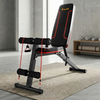
Weight Benches: A Guide to Choosing the Right Bench for Your Workout
, by Mathew Tyack , 8 min reading time
, by Mathew Tyack , 8 min reading time
Weight benches provide a stable surface for many strength exercises and can be used with dumbbells, barbells, resistance equipment, or bodyweight movements. Choosing a suitable bench requires consideration of your workout routine, available space, equipment setup, weight capacity, stability, padding, and adjustment options. Understanding these factors can help you select a bench that fits your training requirements and can be used safely.
Weight benches in Australia are padded exercise benches designed to support the body during strength and resistance exercises. They can be used for movements such as chest presses, shoulder exercises, rows, seated exercises, step-ups, and other workouts. Some benches have a fixed flat surface, while others include adjustable backrests and seats for different exercise positions.
Weight benches are available in several designs, with each type suited to different training requirements. Understanding the basic designs can help you determine which features you need for your workout space.
Flat benches have a fixed horizontal surface and do not include an adjustable backrest. Their simple construction provides a stable platform for exercises such as flat dumbbell presses, barbell presses, rows, and some bodyweight movements. They can also be easier to store because they have fewer moving components.
Adjustable weight benches allow the backrest to be positioned at different angles. Depending on the design, the bench may provide flat, incline, and decline positions. Adjustable benches can support exercises such as incline presses, seated shoulder presses, incline curls, and other movements that require an angled surface.
Olympic weight benches generally include an integrated barbell support or racking system. They are designed for exercises involving an Olympic-style barbell and can require more space than a basic bench. The rack height and bench position should be checked to ensure the setup is suitable for the user's exercises.
Weight capacity is an important consideration when selecting a weight bench. The stated capacity generally needs to account for the user's body weight and the weight being lifted. Check the manufacturer's specifications and allow sufficient capacity for your intended training. A bench should remain stable under the expected load without excessive movement or flexing.
A stable bench provides a secure surface during strength exercises. Check that the frame sits firmly on the floor and that the feet do not move during normal use. Adjustable benches should also remain secure when the backrest or seat is positioned at different angles. Loose components, excessive movement, or an unstable frame should be addressed before the bench is used.
The padding should provide adequate support without being excessively soft. The width and length of the bench should also suit your body size and the exercises you plan to perform. A bench that is too narrow may provide less support, while one that is too wide can interfere with certain arm positions. Check the bench dimensions before purchasing, particularly when setting up a dedicated workout area.
Adjustable benches use different mechanisms to change the position of the backrest or seat. Common systems include ladder-style supports and pin-based adjustments. The mechanism should lock securely into the selected position and should not move unexpectedly during exercise. Check the adjustment range to ensure it provides the positions required for your workout routine.
The available floor space should be considered before selecting a bench. Measure the area where the bench will be placed and allow additional room around it for movement and access. An adjustable bench may also require more clearance when the backrest is raised. If storage space is limited, consider whether the bench can be folded, moved, or stored vertically according to its design.
If you need help visualising how a weight bench could fit into your space, Xanadu Living’s We Design Your Space service can help. Simply send photos of your room, and the team uses AI to generate weight bench images within your space, helping you visualise different layouts and designs before making a purchase.
A home workout area may use a bench alongside dumbbells, resistance bands, kettlebells, or other equipment. The bench should fit the available space without obstructing walkways or other exercise areas. Consider how frequently you will use the bench and which exercises you intend to perform before deciding on the design and features required.
Safe use starts with proper assembly and placement. Follow the manufacturer's instructions and check bolts, adjustment mechanisms, padding, and frame components regularly. When using a barbell, the bench should be positioned within an appropriate rack or support system with suitable safety catches where required.
Important safety practices include:
Place the bench on a stable, level surface.
Check adjustment mechanisms before each workout.
Keep the area around the bench clear.
Do not exceed the manufacturer's stated capacity.
Inspect the frame and padding regularly.
Use appropriate safety equipment for loaded barbell exercises.
Regular maintenance can help keep a bench in usable condition. Check the frame for signs of damage, inspect bolts and adjustment points, and clean the upholstery according to the manufacturer's care instructions. Moving components should be checked for wear and should operate correctly before use. Damaged or unstable equipment should be removed from use until it has been repaired or assessed.
One common mistake is selecting a bench without checking its dimensions and weight capacity. Another is choosing an adjustment system without considering the exercises that will be performed. It is also important to consider the available floor and storage space. A bench should fit comfortably within the workout area and provide enough room for safe movement.
Start by identifying the exercises you plan to perform and the equipment you already have. Then consider whether you need a flat or adjustable design, followed by weight capacity, stability, padding, dimensions, adjustment positions, and storage requirements. Checking these factors before purchasing can help ensure the bench suits your training routine and available workout space.
Weight benches can support a wide range of strength and resistance exercises when selected and used correctly. The main factors to consider include bench type, weight capacity, stability, padding, dimensions, adjustment mechanisms, available space, and storage. Whether the bench is used in a home workout area or a larger training space, it should provide a stable surface and meet the requirements of the planned exercises.
Regular inspection and maintenance are also important for continued safe use. Looking for the right weight bench for your home gym? Reach out to Xanadu Living for guidance on choosing a bench that suits your workout space, fitness goals, and training needs.