
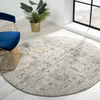
How to Choose the Right Rug Size for Every Room
, by Mathew Tyack , 7 min reading time
, by Mathew Tyack , 7 min reading time
Using the correct rug size guide is essential when designing a comfortable and visually balanced home. Rugs play a major role in defining spaces, anchoring furniture, and adding warmth to a room. When the rug size is too small, the space can feel disconnected. When it is too large, it can overwhelm the layout. Many homeowners struggle with rug sizing because measurements, furniture placement, and room proportions all need to work together. This guide explains how to choose the right floor rug size for every room using precise measurements, layout tips, and practical design principles that support long-term usability.
Rug size influences how a room feels and functions. A properly sized rug creates visual structure and improves comfort underfoot. It also helps define zones in open-plan homes and supports furniture placement. When rug size is chosen correctly, it enhances flow and balance throughout the space. Incorrect sizing, however, can make even well-furnished rooms look unfinished or cramped.
Rugs visually connect furniture pieces and establish clear zones. In living rooms, rugs bring seating areas together. In dining rooms, they frame the table and chairs. In bedrooms, rugs soften the space around the bed. Correct sizing ensures these zones feel intentional rather than accidental.
Accurate measurements are the foundation of choosing the right rug. Measuring only the open floor area often leads to rugs that are too small. Instead, measurements should account for furniture placement and walking space.
Start by measuring the room length and width. Then consider where furniture will sit. Use painter’s tape or paper outlines to visualize rug placement before purchasing. This step helps avoid sizing mistakes and supports confident decision-making.
Rugs are available in standard sizes, but rooms rarely fit those dimensions perfectly. Knowing how standard sizes relate to room measurements allows homeowners to choose the closest fit without compromising layout. Oversizing slightly is often better than choosing a rug that is too small.
Living room rug size is one of the most common challenges for homeowners. The rug must support seating arrangements while maintaining visual balance. A rug that is too small can make furniture look disconnected, while the right size anchors the entire seating area.
In most living rooms, the rug should sit under the front legs of the sofa and chairs. This creates a cohesive seating zone. In larger rooms, all furniture legs can sit fully on the rug for a more unified look. Leaving equal space around the rug edges improves symmetry and flow.
In open-plan layouts, rugs help define separate areas without walls. Choosing the correct size ensures the living area feels distinct while maintaining harmony with adjacent spaces. The rug should be large enough to clearly mark the seating zone without interfering with walkways.
Bedroom rugs size affects both comfort and aesthetics. A well-sized rug softens the room and provides warmth when stepping out of bed. Small rugs placed incorrectly can feel like afterthoughts rather than design elements.
The most common approach is placing a large rug under the bed, extending beyond the sides and foot. This creates balance and ensures soft flooring where it matters most. The rug should be wide enough to frame the bed and bedside tables comfortably.
For smaller rooms, runners placed on either side of the bed can work well. This option still provides comfort while accommodating limited space. Measurement accuracy ensures the runners align properly with the bed length.
Dining rug setup requires special attention because chairs move in and out. A rug that is too small can cause chairs to catch on the edges, reducing functionality and comfort.
The rug should extend beyond the table on all sides to allow chairs to remain on the rug when pulled out. This ensures stability and protects flooring. Proper sizing also visually frames the dining area, making it feel complete.
Rug shape should mirror table shape when possible. Rectangular tables pair well with rectangular rugs, while round tables work best with round rugs. This alignment improves symmetry and flow within the space.
Hallways and entryways benefit from runners and narrow rugs that guide movement. Proper width ensures the rug fits comfortably without touching walls. Length should match the hallway proportion, leaving equal space at both ends. Accurate measurement prevents rugs from looking cramped or oversized in these transitional spaces.
Choosing a rug based on appearance alone often leads to poor results. Ignoring furniture placement is another common mistake. Rugs that float in the middle of a room without connecting to furniture can make the space feel incomplete. Measuring after purchasing furniture rather than before can also limit options. Another mistake is prioritizing cost over size. A smaller rug may be cheaper, but it often fails to achieve the desired design impact.
A reliable rug size guide helps homeowners plan for future changes. Furniture layouts may evolve, but a well-sized rug remains versatile. Neutral designs and generous dimensions allow rugs to adapt to different arrangements over time. Proper sizing also extends rug lifespan by ensuring even wear and reducing edge curling.
Precision measurement eliminates guesswork. By measuring rooms, mapping furniture placement, and understanding standard rug sizes, homeowners can shop with confidence. This approach reduces returns and ensures the rug enhances both comfort and design.
Using a precise rug size guide is the key to creating balanced, comfortable, and visually appealing rooms. By understanding living room rug size, bedroom rug size, dining rug setup, and accurate measurement techniques, homeowners can avoid common mistakes and make confident design choices. The right rug size anchors furniture, defines spaces, and enhances everyday comfort.
When measurements and layout tips are applied correctly, a rug becomes more than a decorative element. It becomes a functional foundation that brings harmony and cohesion to every room in the home. Reach out to Xanadu Living to learn more about modern living collections.